Your cart is empty.



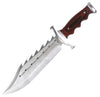


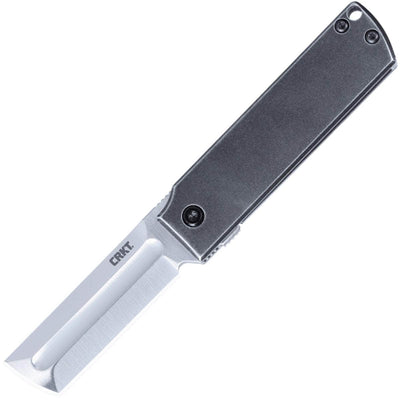
How to Choose the Right Pocket Knife for Your Needs

Ever tried cutting open packaging only to struggle with a dull tool that makes the task harder than it should be? Or maybe you’ve been outdoors, needing something sharp and reliable, but the knife you had was either too bulky to carry or too weak to handle the job. These moments can be frustrating because a knife should make life easier, not add to the hassle. That’s where the real difference between a pocket knife and a tactical knife starts to matter, and you think about “how to choose a pocket knife?” that can save you from those small but stressful setbacks.
Today, we’re going to break down the everyday carry knife differences in a complete guide to pocket knives that makes sense. You’ll see how pocket knives and tactical knives compare, what sets them apart, and how to decide which one is best for your daily routine.
What Makes a Pocket Knife Special?
A pocket knife may look like a small everyday tool, but it’s more than that. In simple terms, it’s a compact blade that folds into its handle, making it safe and easy to carry. This design allows you to keep it in your pocket without taking up much space.
Think about how many times you’ve needed something sharp in your day. Opening tough packaging, trimming rope, peeling fruit during a hike, or handling small tasks at a campsite. That’s the real power of a pocket knife, its ability to step in at the right moment.
What makes them even more special is the range of features they come with. From different blades and handle styles to sizes that match your lifestyle, pocket knives are versatile. This guide to pocket knives will show you how to match those features with your everyday needs. Keep these pocket knife buying tips in mind, and you’ll soon realize why so many people never leave home without one.
Pocket Knife Blade Types Explained
One of the most important things to look at is the blade. After all, the blade decides how well your knife performs different tasks. Let’s break down the main pocket knife blade types so you know which one fits your routine.
-
Straight Edge (Drop Point)
-
Best for clean, precise cuts.
-
Works great for slicing food, whittling wood, or general everyday use.
-
Pro: Easy to sharpen, versatile.
-
Con: Struggles with tougher materials like rope or plastic.
-
Serrated Edge
-
Perfect for sawing through rope, fabric, or branches.
-
Pro: Excellent for outdoor or survival situations.
-
Con: Harder to sharpen, less precise for clean cuts.
-
Tanto Blade
-
Strong tip designed for piercing tough surfaces.
-
Pro: High durability, great for tactical use.
-
Con: Not ideal for general slicing or food prep.
-
Clip Point
-
Features a sharp, thin tip for detailed work.
-
Pro: Precise and versatile, often favored for hunting.
-
Con: Tip can break under heavy pressure.
Each blade has its role. That’s why understanding pocket knife blade types helps you pick one that won’t disappoint when you need it most.
Folding vs Fixed Pocket Knife
When choosing the right knife, one of the most common questions is whether to go with a folding blade or a fixed blade. Both designs serve different needs, and knowing their strengths will help you decide faster. It really comes down to how and where you plan to use your knife.
|
Feature |
Folding Pocket Knife |
Fixed Pocket Knife |
|
Portability |
Compact, folds into the handle, easy to carry. |
Bulkier, requires a sheath for safe carry. |
|
Safety |
Safer for everyday carry, blade stays tucked away. |
Strong but requires extra care when carrying. |
|
Best Use |
Everyday tasks like opening packages or light outdoor use. |
Camping, survival, or heavy-duty cutting tasks. |
|
Strength |
Less durable for heavy work. |
Stronger and more reliable for demanding use. |
So, when comparing folding vs fixed pocket knife, the choice comes down to lifestyle. If you value portability, folding is ideal. If you need power and durability, fixed is the better option.
Pocket Knife Handle Materials
The handle may not seem as important as the blade, but it plays a huge role in comfort and control. Here are the most common pocket knife handle materials:
-
Wood: Classic, attractive, and provides a warm grip.
-
Plastic: Affordable, lightweight, and durable.
-
Metal (Stainless or Aluminum): Strong, long-lasting, and sleek.
-
G10: Fiberglass-based, extremely tough, excellent grip even when wet.
-
Bone: Traditional and unique in design, often collectible.
Your grip can make or break your experience. Always consider comfort when choosing the right knife for daily or outdoor use.

Pocket Knife Size Guide
Size is another factor you don’t want to overlook. A pocket knife size guide can make this simple.
-
Small (Under 2.5 inches)
-
Great for everyday light tasks.
-
Fits easily into a pocket or bag.
-
Sometimes restricted by local laws.
-
Medium (2.5–4 inches)
-
Balanced choice, suitable for most users.
-
Offers both convenience and strength.
-
Ideal for daily carry plus outdoor use.
-
Large (4+ inches)
-
Best for heavy-duty or survival use.
-
Provides more power but less discreet.
-
May require special carrying options.
This pocket knife size guide ensures you match the knife to your lifestyle and legal needs.
How to Choose a Pocket Knife for Your Needs
If you’re still asking yourself, what pocket knife should I buy, the best way forward is to follow a step-by-step process. A knife is more than just a tool, it’s something you’ll carry and use often. This simple guide to pocket knives will help you match your choice to your lifestyle and needs.
1. Define Your Purpose
Start by asking what you’ll use the knife for most. Do you need it for everyday carry, like opening packages or small tasks? Or will it be for camping, fishing, or even survival use? Your purpose will immediately narrow your options and prevent you from buying the wrong style.
2. Select the Blade Type
Blade shape changes everything. A straight edge works best for clean slicing, serrated edges handle ropes and tougher materials, while drop points or tanto blades balance durability with versatility. Choosing the right blade style ensures you don’t struggle with simple tasks.
3. Decide Between Folding vs Fixed
When comparing folding vs fixed pocket knife options, think about convenience. Folding knives are compact and slip into your pocket with ease, making them perfect for daily carry. Fixed blades are bulkier but provide unmatched strength and reliability for outdoor or heavy-duty use.
4. Pick the Handle Material
Your grip can make or break your experience. Wood feels classic, G10 and plastic offer lightweight durability, and metals add strength. Always prioritize comfort and grip over looks when deciding.
5. Choose the Right Size
Refer to a pocket knife size guide when deciding. Small knives are discreet for urban carry, medium ones balance versatility and strength, and larger knives excel in outdoor settings. Size also matters for local laws, so check restrictions before you buy.
6. Set a Budget
Price shouldn’t be the only factor, but it’s important. Spending too little often means sacrificing safety and quality. On the other hand, overspending on features you won’t use doesn’t make sense either. Aim for a balance between affordability and reliability.
7. Check Brand Reliability
Finally, invest in brands with a reputation for safety and durability. A reputable name ensures you’re getting a knife tested for real-world performance. This is one of the most overlooked yet important pocket knife buying tips.
By following this process, you’ll never have to guess again. Instead of wondering which model fits you, you’ll know exactly how to choose a pocket knife. That’s the power of a structured guide to pocket knives; it makes your choice clear, simple, and reliable.
What Pocket Knife Should I Buy?
After going through blade types, sizes, and handles, the question still remains, which pocket knife should I buy? The answer depends on your lifestyle.
For everyday carry, a best pocket knife for beginners is a medium folding knife. If outdoor survival is your focus, a large fixed knife will serve you better. And if tradition matters to you, handles made from wood or bone might add that personal touch.
At the end of the day, choosing the right knife means finding what fits your routine best, not just what’s most popular.

Conclusion
You’ve gone step by step through a full guide to pocket knives you need to know. From blade types and sizes to handles and folding vs fixed, you now have the tools to make a confident choice. With the right knowledge and pocket knife buying tips, you’ll never feel unprepared again.
Ready to stop asking what pocket knife should I buy and finally carry the tool that suits you best? Explore trusted options at Knife Depot today, and let our expert selection help you find the best pocket knife for beginners or advanced use with confidence.
FAQs
What is the best blade type for a pocket knife?
Straight edge blades are best for daily use, while serrated blades shine in outdoor and survival tasks.
Is a folding pocket knife better than a fixed one?
It depends. Folding knives are safer and easier to carry, fixed knives offer more strength and reliability.
What size pocket knife is best for everyday use?
A medium-sized knife (2.5–4 inches) balances strength and convenience, making it ideal for daily carry.
Which pocket knife handle material lasts longest?
G10 and metal handles are the most durable, while wood and bone are more traditional and stylish.
Are pocket knives legal everywhere?
No, laws vary by region. Always check local regulations on blade length and carry rules before buying.